 loading


Building and Sustaining a Strong Brand
In a competitive marketplace, a strong brand is more than just a logo or a tagline—it’s the perception customers have about a business. Brand management is the process of creating, maintaining, and improving that perception over time. Effective brand management helps businesses stand out, build trust, and foster long-term customer loyalty.
What is Brand Management?
Brand management refers to the strategic planning and execution involved in shaping how a brand is perceived by its target audience. It includes managing a brand’s identity, values, messaging, and customer experience across all touchpoints.
The goal of brand management is to ensure consistency, relevance, and a positive emotional connection with customers.
Key Elements of Brand Management
1. Brand Identity
Brand identity includes visual and verbal elements such as logos, colors, typography, tone of voice, and slogans. A consistent identity helps customers recognize and remember the brand easily.
2. Brand Positioning
Brand positioning defines how a brand differentiates itself from competitors. It answers the question: Why should customers choose you? Clear positioning highlights unique value and target audience.
3. Brand Equity
Brand equity is the value a brand gains from customer perception, trust, and loyalty. Strong brand equity allows businesses to charge premium prices and retain customers.
4. Brand Communication
This involves how a brand communicates with its audience through advertising, social media, content marketing, public relations, and customer interactions.
5. Brand Experience
Every interaction a customer has with a brand—online or offline—shapes their experience. Positive experiences strengthen brand loyalty, while negative ones can damage brand reputation.
Importance of Brand Management
- Builds Trust and Credibility – Consistent branding creates reliability.
- Increases Customer Loyalty – Strong brands form emotional connections.
- Creates Competitive Advantage – Differentiation helps brands stand out.
- Supports Business Growth – A strong brand attracts new customers and partners.
- Enhances Brand Recognition – Customers remember brands they trust.
Brand Management Strategies
- Conduct regular brand audits
- Maintain consistent brand messaging
- Understand customer needs and feedback
- Adapt to market trends without losing brand identity
- Train employees to represent the brand values
Challenges in Brand Management
Brand management is an ongoing process and comes with challenges such as:
- Maintaining consistency across platforms
- Managing brand reputation online
- Responding to changing customer expectations
- Handling crises or negative publicity
Successful brand managers anticipate these challenges and respond proactively.
Conclusion
Brand management is not a one-time effort—it’s a continuous journey. Businesses that invest in managing their brand effectively build strong relationships with customers, enhance market presence, and ensure long-term success. In a world where consumers have endless choices, a well-managed brand can be a company’s most valuable asset.
How to Optimize SEO for Better Search Engine Rankings
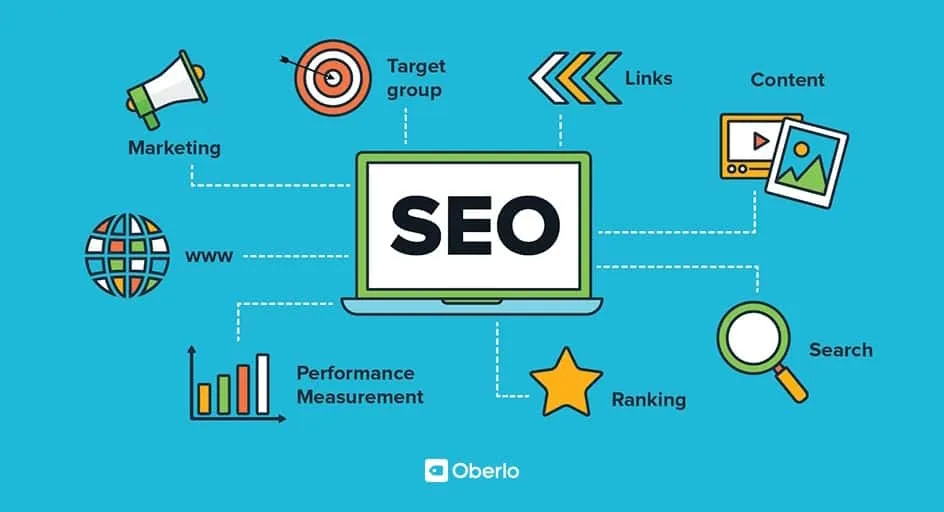
In today’s digital landscape, having a website is not enough—your content must be easily discoverable. Search Engine Optimization (SEO) is the process of improving a website’s visibility on search engines like Google. Learning how to optimize SEO effectively helps increase organic traffic, improve rankings, and grow your online presence.
What is SEO Optimization?
SEO optimization involves improving various on-page, off-page, and technical elements of a website so that search engines can understand and rank it higher. The main goal is to attract relevant users by matching search intent.
Why SEO Optimization is Important
- Increases website visibility
- Drives organic and high-quality traffic
- Builds credibility and trust
- Improves user experience
- Delivers long-term marketing results
Key Steps to Optimize SEO
1. Keyword Research
Keyword research is the foundation of SEO optimization. Identify primary and secondary keywords that users search for and use them naturally in titles, headings, and content.
2. On-Page SEO Optimization
On-page SEO focuses on optimizing individual pages:
- Use keywords in title tags and meta descriptions
- Optimize headings (H1, H2, H3)
- Create high-quality, relevant content
- Use internal links
3. Technical SEO Optimization
Technical SEO ensures that search engines can crawl and index your site properly:
- Improve page loading speed
- Ensure mobile responsiveness
- Use clean URL structures
- Fix broken links and errors
4. Content Optimization
Search engines reward content that provides value. Optimize content by:
- Answering user questions
- Using readable formatting
- Updating outdated content
- Adding images and multimedia
5. Off-Page SEO Optimization
Off-page SEO builds website authority through:
- High-quality backlinks
- Social media sharing
- Guest blogging
- Brand mentions
6. Optimize for User Experience (UX)
A positive user experience improves SEO performance. Focus on easy navigation, fast load times, and mobile-friendly design.
Common SEO Optimization Mistakes
- Keyword stuffing
- Ignoring technical SEO
- Low-quality backlinks
- Duplicate content
- Not tracking SEO performance
Tools to Help Optimize SEO
- Google Analytics
- Google Search Console
- Keyword research tools (Ahrefs, SEMrush)
- Page speed testing tools
Conclusion
SEO optimization is an ongoing process that requires consistent effort and adaptation to search engine algorithm updates. By focusing on keyword research, content quality, technical improvements, and user experience, businesses can achieve higher rankings and sustainable online growth.